Tim Burton’s 2001 Remake of Planet of the Apes – A Forgotten Gem
At this point in his career, there’s not much of an argument to be made that Tim Burton isn’t one of the greatest and most stylistically unique directors in film history. His films such as Edward Scissorhands, Beetlejuice, and his Batman duology became instant classics upon their releases, and cemented Burton’s work in the iconography of Hollywood. Some argue that his late-career films don’t hold the same nostalgic, Burton-esque feel as his ‘80s and ‘90s masterpieces, but he still continues to release high-quality and popular projects, like Netflix’s Wednesday, and Beetlejuice Beetlejuice, which made a whopping four times its $100 million budget at the box office in 2024.
One thing has remained true throughout Burton’s multi-decade career as a filmmaker: regardless of whether the movie is great or not, it’s going to look fantastic, and the effects are going to be high effort. Burton’s films obviously do better when he follows his signature gothic-whimsical style, but he’s gone outside the box several times in hopes of expanding into different genres. Sometimes this works out for him, and the result is quality, like in Big Fish and Ed Wood, and other times, it falls flat with critics and audiences, like Dumbo and his 2001 remake of Planet of the Apes.
The 2001 Remake of Planet of the Apes Is Still Tim Burton’s Lowest-Rated Film, but It Deserves Better
Even with several duds throughout Burton’s directing career, his remake of Franklin J. Schaffner’s 1968 sci-fi masterpiece is still his lowest-rated film with audiences, 24 years after its release. Burton jumped far outside his comfort zone of creating fantastical diet horror and took on a sci-fi action film based on someone else’s work, and unfortunately, the lack of his iconic style jumped to the forefront of why Planet of the Apes has been so hated over the years.
Planet of the Apes sits at 43% critics’ score on Rotten Tomatoes, the second lowest only to his 2012 reimagining of Dark Shadows, starring Johnny Depp. Going by audience score, though, it sits at the bottom of the barrel, garnering only 27% from its viewers. It’s a strange case, considering Planet of the Apes more than tripled its budget at the box office, bringing in $362 million; an obvious situation of Burton fans flocking to the theater for name and style recognition and leaving sorely disappointed with the result.
Much of the film’s hate came at the expense of its ending, when the protagonist escapes through a wormhole to return to the Earth he once knew, but quickly realizes he’s come to an Earth where apes are the dominant species in worldwide society, as he comes across a giant version of the Lincoln Memorial, but this time, an ape version of Lincoln sits in its chair.
Granted, this is a silly way to end the film, but it breaks away from being a direct remake of the original film, and the ending, along with a change in characters and story direction, lands Burton’s retelling into reboot territory; a concept that wasn’t really explored as much in 2001. Without a doubt, Burton’s Planet of the Apes does what reboots are supposed to do: tell a new version of the same idea without completely rehashing the original, and in that way, Burton more than succeeded.
Planet of the Apes Boasted an All-Time Dream Cast in the 2000s
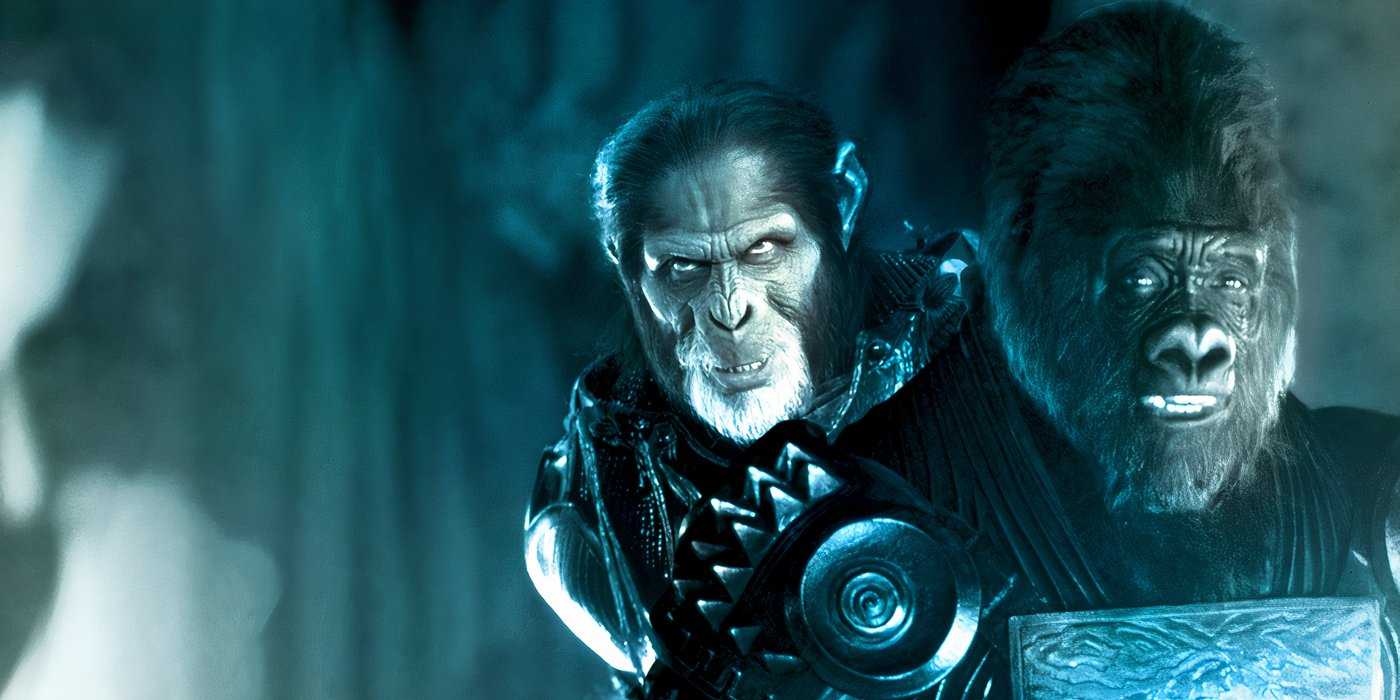
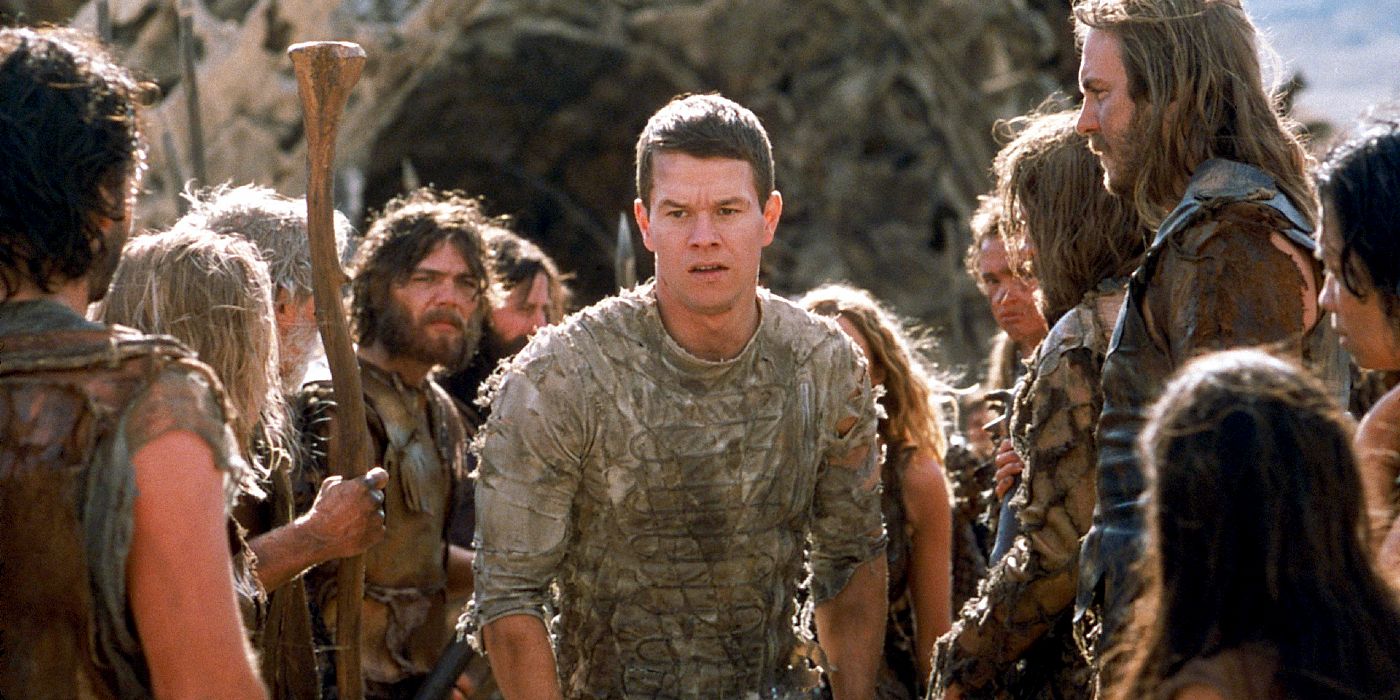
Outside of its overall uniqueness, Burton’s Planet of the Apes boasted a cast that any director would die to have in their film. Mark Wahlberg took on the main role in the early prime of his career, and was supported by a variety of Academy Award-nominated and character actors, including Helena Bonham Carter, Paul Giamatti, Kris Kristofferson, Michael Clarke Duncan, Cary-Hiroyuki Tagawa, David Warner, and an incredible villainous performance from Reservoir Dogs’ Tim Roth.
Roth, in particular, was downright menacing and Machiavellian as General Thade. Thade’s hatred for humans and specific disgust for Wahlberg’s Captain Leo Davidson, especially after Leo caught the romantic eye of Ari, made him a no-holds-barred antagonist who would stop at nothing to continue his barbaric rule. Roth completely submerged himself into the character, which made it even more imposing in the end when his face is shown on the “Aperaham Lincoln” statue.
Although it can be agreed that Wahlberg was a little dry in the lead role, the supporting cast fell into their character roles perfectly, seamlessly blending ape-like mannerisms with the particular acting traits they were known for, including Paul Giamatti’s recognizable nervous eccentricity and Michael Clarke Duncan’s booming imposition.
Planet of the Apes’ Makeup and Effects Were Some of the Best in the Decade
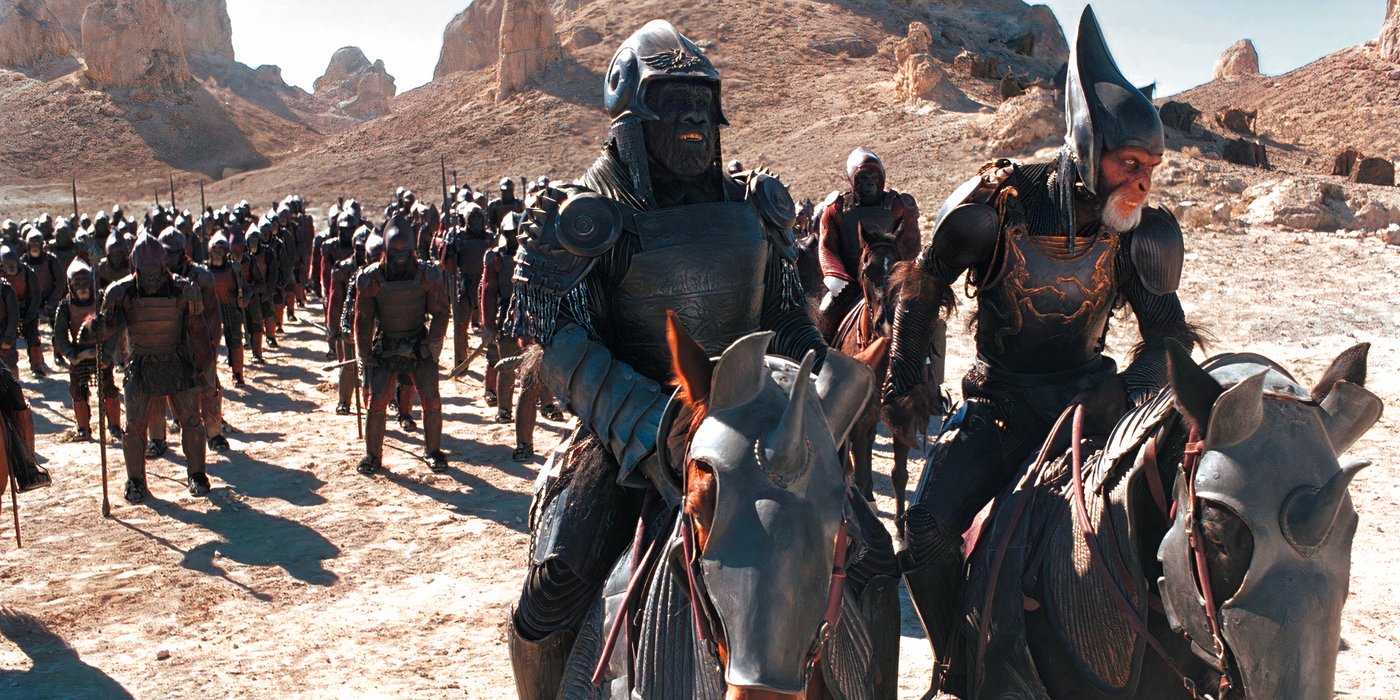
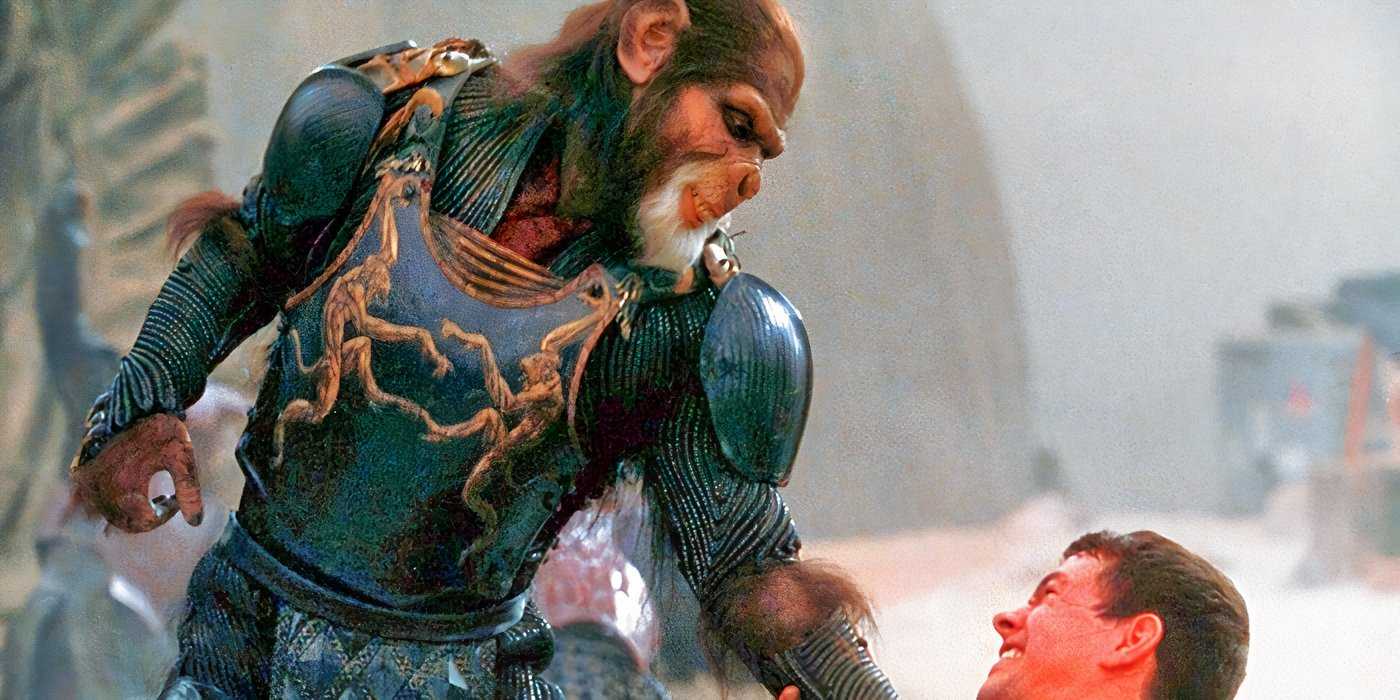
One area where Planet of the Apes succeeded, maybe more so than any other film in the decade, was in the makeup department. Unlike the original film, where most of the actors’ ape costumes looked similar, Burton’s reboot built the makeup off the actors’ looks, keeping the foundation of their faces and mannerisms, but applying impeccable primate costuming.
The makeup special effects team was led by Rick Baker, one of the premier Hollywood practical effects artists of all time. Baker is most known for his incredible makeup in the horror genre for films like An American Werewolf in London, Tobe Hooper’s The Funhouse, David Cronenberg’s Videodrome, and the famous Michael Jackson “Thriller” music video. He and Burton collaborated before Planet of the Apes in 1994 on Ed Wood.
Even without his amazing work in other genres, Baker would have been the perfect choice for Burton’s Planet of the Apes based on his historic work on ape makeup. Starting with the 1976 remake of King Kong, Baker also did the makeup for Gorillas in the Mist, Tarzan: Lord of the Apes, and Mighty Joe Young. Needless to say, if there’s ape makeup to be done in a Hollywood picture, Rick Baker is the guy any filmmaker could want.
Planet of the Apes’ impressive technical aspects, especially in the effects department, make it one of the great instances of pushing the film over the edge that would have just been mediocre otherwise, and while it was seen as a massive failure upon release, revisiting opens up a case for it being a much better reboot than previously thought.
About the Author